Heart surgery ends in the operating theatre, but getting back to normal life takes longer. Patients tend to ask the same things: when can I drive, when can I go back to work, when can I work in the garden, when can I sleep with my wife or husband again. Below are answers to the most common of these questions.
One rule explains almost everything: most restrictions come from the cut breastbone (sternum). The breastbone heals like a broken bone, and full healing takes about 3 months. After procedures that do not involve cutting the breastbone (through a catheter or through a small incision between the ribs), most restrictions disappear within a few weeks.
The time frames given here are approximate. Final recommendations for each person are set by their own doctor — after the operation, after rehabilitation and at follow-up visits.
Part 1The first weeks
The breastbone and the wound
Do I have metal inside me? Will it need to be removed one day?
After being cut, the breastbone is closed with steel wires that stay in place permanently. They are not removed — except, rarely, when there is a problem with healing. Most patients never feel them. In very slim people a wire can sometimes be felt under the skin as a small, hard spot — this is normal.
Will the wires set off airport security?
Practically never. The wires are thin and the scanners do not react to them. If you have an implanted valve, a pacemaker or another implant, it is a good idea to carry your implant card, ideally with a description in English.
Can I have an MRI scan?
Yes. Breastbone wires are not a reason to avoid MRI. However, always tell the staff that you have had heart surgery and what has been implanted — a valve, a ring or a clip also need to be mentioned, although they are usually not a problem either.
When can I sleep on my side?
When it stops hurting — usually after a few weeks. On your stomach — only once the breastbone has healed. In the first weeks, sleeping on your back with the head of the bed slightly raised is usually the most comfortable.
How should I care for the scar? Bath or shower?
Shower — from the first days after discharge, with lukewarm water, without scrubbing the wound. Bath, swimming pool, lake — only once the wound has fully healed, with no scabs or oozing. For the first year the scar does not like the sun: cover it or use a high-SPF sunscreen, otherwise it will darken permanently.
Home and everyday life
What can I do at home in the first weeks?
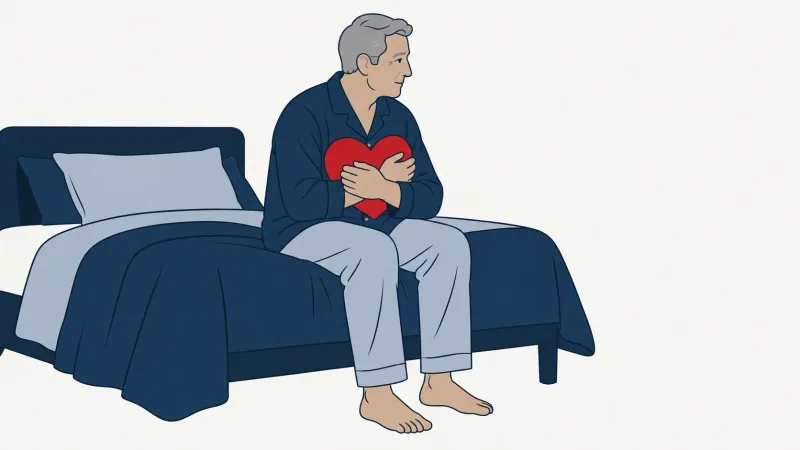
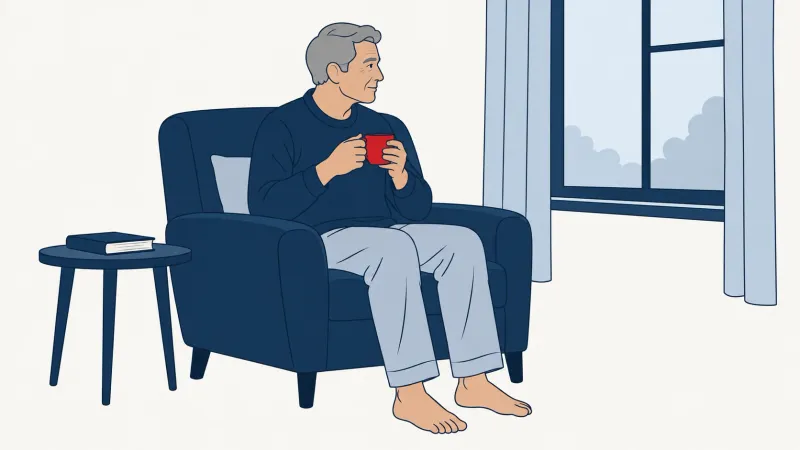
Walk — as much as possible, every day, gradually making the walks longer. Light housework: cooking, washing up, dusting. Not allowed: lifting, pushing, pulling, working with your arms above your head, or putting your body weight on your arms — for example when getting up from an armchair. Get up using your legs, not your arms.
When can I drive?
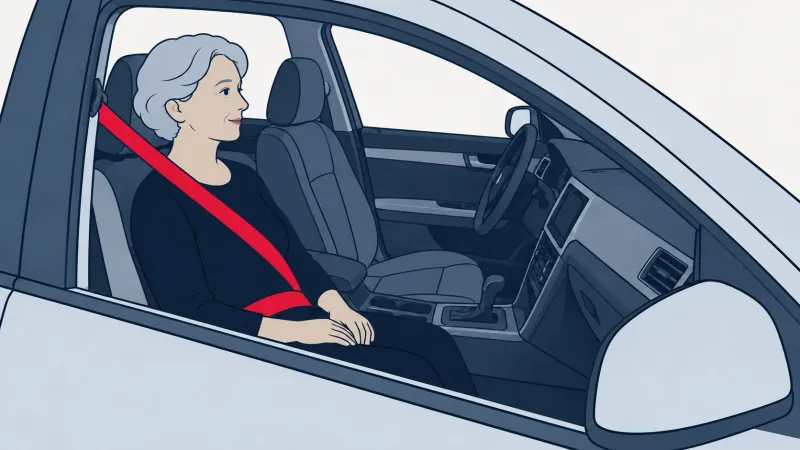
After the breastbone has been cut — after about 3 months. It is not only about strength: in a sudden stop the seat belt presses right on the breastbone, and in an accident the airbag hits the chest. The healing bone has to withstand that. After procedures without cutting the breastbone — sooner, at a time agreed with your doctor. You can travel as a passenger straight away, with your seat belt fastened.
When will I go back to work?
Office work — about 3 months after the breastbone was cut. Physical work — only once the bone has fully healed, most often 4–6 months, always after an individual assessment. After procedures without cutting the breastbone, people return sooner. Professional drivers are covered by separate fitness-to-drive regulations — this needs a separate assessment.
Can I drink alcohol?
Not in the first weeks: alcohol makes heart rhythm problems worse, lowers blood pressure and does not mix well with painkillers. Later — in small amounts, unless your doctor advises otherwise. If you take blood thinners that require INR monitoring, alcohol interferes with how they work — you need to talk to your doctor about it.
How you feel
My chest still hurts, even though weeks have passed. Is that normal?
Pain in the breastbone and ribs when you move, cough or the weather changes is normal for many weeks, and in some people for months. What should worry you is pain that is different from before: pressing, spreading to the arm or jaw, coming on with effort and easing at rest, with breathlessness or sweating. Pain like that needs urgent contact with a doctor.
I feel low, tearful and have no energy for anything. Is something wrong?
This is common and it is not a weakness. Heart surgery is a huge strain on both body and mind; low mood, anxiety, poor sleep and irritability affect a large share of patients in the first weeks and usually pass. If they last longer than a few weeks or make everyday life difficult, tell your doctor. It can be treated.
When can I see the dentist?
Planned dental treatment — after you have finished recovering. If you have an artificial valve, a ring or a TAVI valve, you need antibiotic cover before any dental procedure that disturbs the gums — always tell your dentist about your heart surgery. After repair of your own valve, or after bypass surgery without implants, antibiotic cover is usually not needed. Looking after your teeth protects your heart: poor oral health is the most common source of bacteria that can settle on a valve.
Part 2Returning to activity
Sport and exercise
When can I exercise, and which sports are safe?
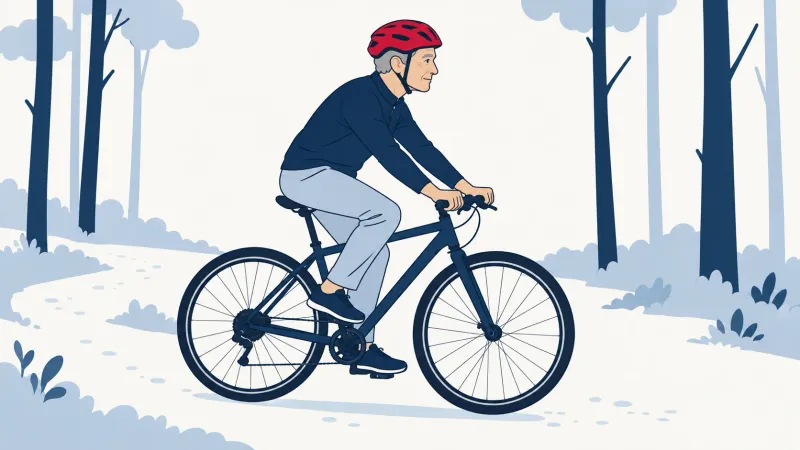
Movement after heart surgery is not a danger — it is part of the treatment. It starts with walks, then cardiac rehabilitation, where you learn how much you can do. After that: cycling, Nordic walking, swimming (once the wound has healed), light gym work — gradually. Once the breastbone has healed, no sport is forbidden, but contact sports and those with a high risk of falling need a conversation with your doctor, especially if you take blood thinners.
How much can I lift?
Until the breastbone has healed — that is, for about 3 months — do not lift anything that requires tensing your chest or holding a weight away from your body. Shopping bags, a bucket of water, a grandchild in your arms, a suitcase — all of this is lifting. Pain is a signal to stop. After healing — gradually, without sudden jerks. After procedures without cutting the breastbone, the restriction lasts a few weeks, until the wound has healed.
Golf, tennis, skiing?
Sports with sudden twisting of the upper body or a risk of falling — only after the breastbone has fully healed and after rehabilitation. Golf and tennis strain the breastbone through twisting and swinging; skiing through falls. If you take blood thinners, a fall on the slopes carries a risk of bleeding — discuss this with your doctor.
Sauna?
Not before you have finished recovery and rehabilitation — roughly 3 months — and the wound has healed. Rules: short sessions, no alcohol, never alone, get out at the first sign of dizziness. A sauna widens the blood vessels and lowers blood pressure — with blood pressure medication and dehydration it can cause fainting. With uncontrolled heart failure or an untreated severe valve defect — no.
Allotment and garden
When can I go to my allotment?
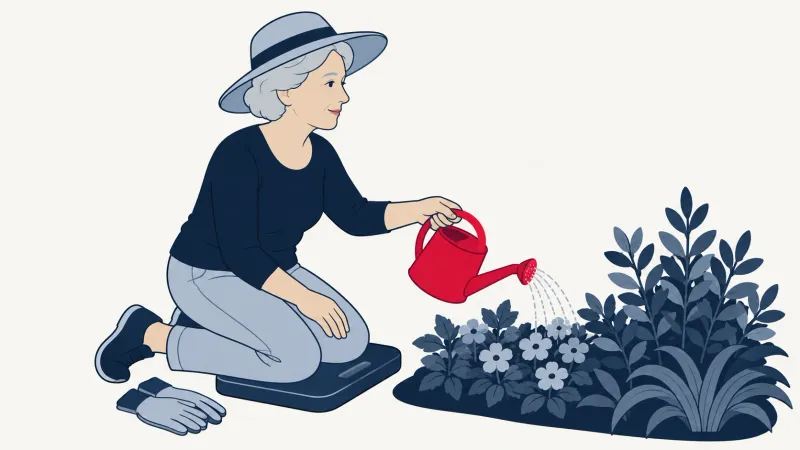
(In Poland many people keep an allotment — a small garden plot outside the home.) Walking around it — straight away. Working on it — depends on what. The garden is where patients most often break the lifting rule, because they do not call it lifting: digging, raking, carrying buckets and bags of soil, pushing a wheelbarrow, mowing, chopping wood — all of this strains the breastbone and raises blood pressure. Until the breastbone has healed: seated jobs, watering with a hose, weeding while sitting down. Heavy work — after about 3 months, gradually.
What should I especially avoid?
Shovelling snow — one of the most common efforts that lead to a heart attack, even in healthy people: cold, static effort, lifting and holding your breath all at once. Work with vibrating tools — a petrol strimmer, a saw. Work on a ladder — risk of falling, especially with blood thinners. Working with your arms above your head for long periods — until the breastbone has healed.
Travel
When can I fly?
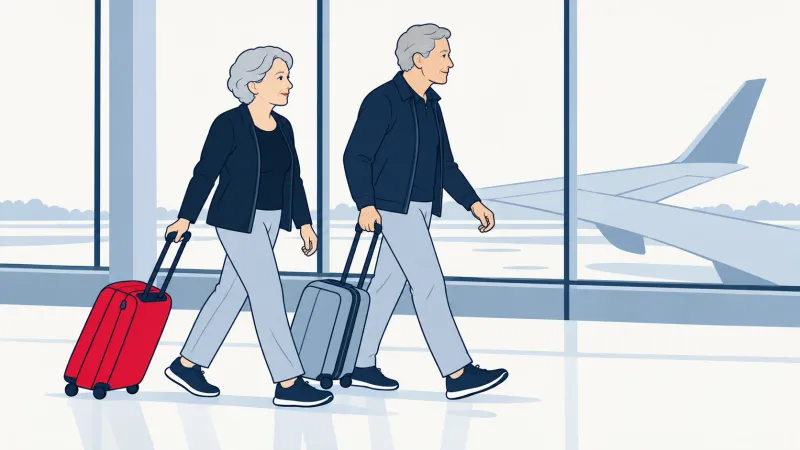
Ideally after finishing rehabilitation — after the breastbone has been cut, 3 months is suggested. After catheter procedures — after about 2 weeks. Long flights always need an individual assessment by a doctor: sitting for many hours increases the risk of blood clots. On the plane: get up and walk every hour, drink water, and keep your medicines in your hand luggage, not in your suitcase.
What should I take on a trip abroad?
Enough medicines for the whole stay plus a few extra days, in their original packaging. A short letter from your doctor in English: what operation you had, what implants and what medicines. With a mechanical valve — a plan for INR checks at your destination, or your own testing device. Travel insurance that includes information about your operation — hiding it makes the policy invalid.
Intimate life
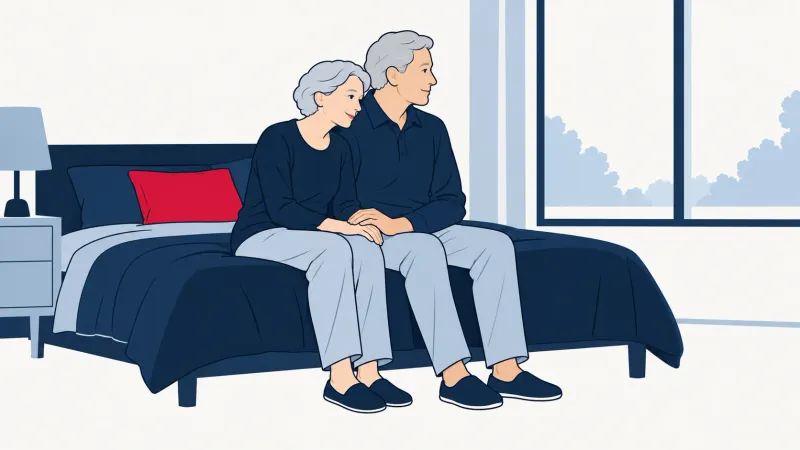
When can I have sex again?
When you can climb two flights of stairs without difficulty — that is an effort comparable to sex. For most patients this is a few weeks after the operation. After the breastbone has been cut, for the first weeks avoid positions in which you put your body weight on your arms or in which your partner leans on your chest. Apart from that — there are no restrictions.
Can I take erectile dysfunction medicines?
This is a question to ask your doctor, not to decide on your own — for one reason: erectile dysfunction medicines must not be combined with nitrates (nitroglycerin and related medicines used for coronary artery disease). The combination can cause a sudden drop in blood pressure. If you do not take nitrates and your heart is working well after the operation, these medicines are usually safe — but the decision belongs to a doctor who knows your medicines.
I have lost interest in sex. Will it come back?
Most often, yes. A drop in desire after surgery is common and has several causes at once: tiredness, worry about the heart, low mood and medicines — some heart medicines reduce libido and sexual function. Do not stop your medicines on your own. Tell your doctor — often changing to a different medicine is enough. It also helps if your partner knows this is temporary.
Health for years to come
Should I get vaccinated?
Yes. Vaccination against flu, pneumococcus and COVID-19 is recommended after heart surgery — a respiratory infection strains the heart and can harm an implanted valve. Agree the timing after surgery with your doctor; usually after the early recovery period is over.
I have other operations ahead — a hip, a hernia. What should I watch out for?
Tell the surgeon and the anaesthetist about your heart surgery, your implants and all your medicines — especially blood thinners and antiplatelet drugs. Stopping them before a procedure needs a plan, not a decision made on your own. With an artificial valve — also antibiotic cover, depending on the type of procedure.
When can I consider myself healthy?
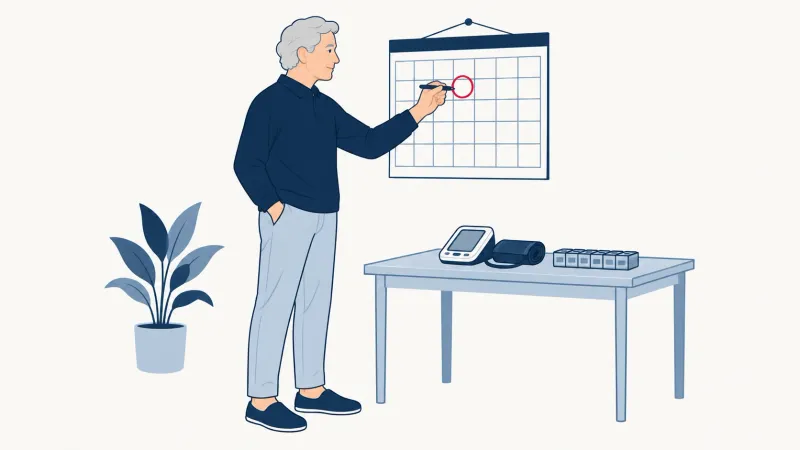
The operation repairs the heart, but it does not remove the cause of the disease. Medicines, check-ups, not smoking, exercise, and keeping blood pressure and cholesterol under control — this is what decides whether the effect of the operation lasts for decades. A patient after heart surgery is not a sick person. They are someone who has been given a second chance and knows how to look after it.
Sources
Based on guidelines, scientific publications and clinical practice. The time frames for driving, returning to work, lifting, flying and sex reflect the recommendations used in our Department.
- American Heart Association, Scientific Statement: Sexual Activity and Cardiovascular Disease (Circulation 2012) — returning to sex, the fitness criterion, erectile dysfunction medicines and nitrates.
- European Society of Cardiology, 2023 Guidelines for the management of endocarditis — antibiotic cover before dental procedures.
- UK Civil Aviation Authority, Assessing fitness to fly — cardiovascular disease — air travel after chest surgery and catheter procedures.
- Adams J. et al., "Keep Your Move in the Tube" (Proc Bayl Univ Med Cent 2016); commentary in the European Journal of Cardiovascular Nursing 2024 — movement and loading after the breastbone has been cut.
- Ennis S. et al., SCAR Randomized Clinical Trial (JAMA Cardiology 2022) — safety of early rehabilitation after sternotomy.
- Hannuksela M., Ellahham S., Benefits and risks of sauna bathing (Am J Med 2001); Laukkanen T. et al., reviews on sauna and the cardiovascular system — sauna safety and contraindications.
- ESC/EACTS 2025 Guidelines for the management of valvular heart disease — anticoagulation and follow-up after valve implantation.